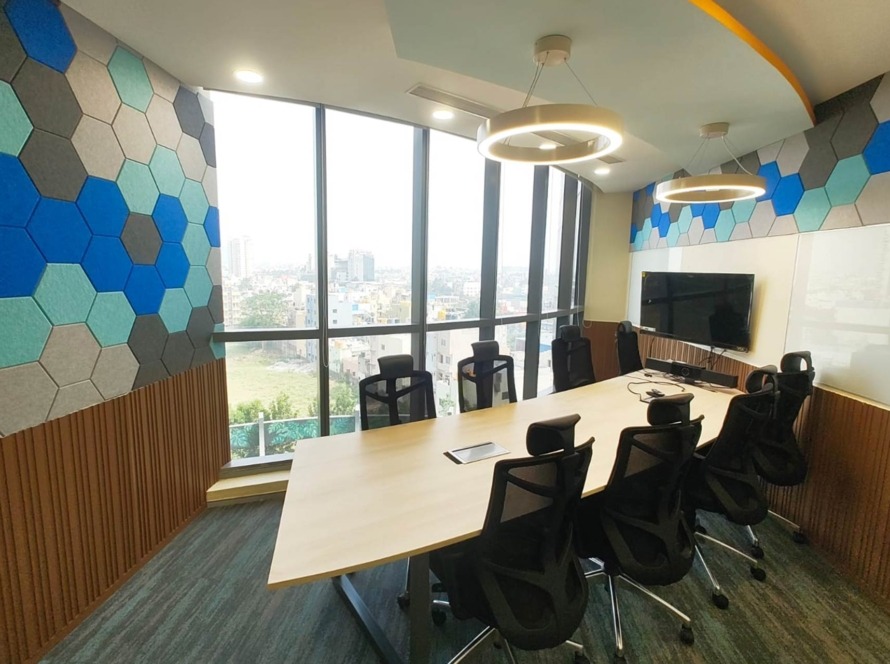
In a shared office, professionals work together in an environment that is built for work, collaboration, and business functions. Nevertheless, there might be moments when discussions and changes in noise levels will affect one’s ability to concentrate. Knowing how to stay productive in a shared office means knowing how to build a regular pattern of behaviour, select proper places for working, and use shared facilities effectively.
BizzHub Workspaces recognises that productivity is a function of the entire workspace environment. That is why the co-working offices have ergonomic desks, meeting rooms, private booths, lounges, and Wi-Fi connections. All these different elements provide different kinds of environments for different purposes.
The Correct Environment for Every Job
An open desk, a conference room, and a closed cabin are all used for different purposes. Being productive is easier if the working environment is suitable for the task at hand.
Choose Work That Fits the Facilities
| Workspace Facility | Suitable Activities |
| Ergonomic Workstation | Tasks, writing, and concentration work |
| Conference Room | Speeches, group discussions, and meetings with clients |
| Private Cabin | Confidential talks and critical conversations |
| Lounge/Breakout Area | Informal discussions and break times |
Employees using shared office space in Bangalore will benefit by having knowledge of the facilities provided and when to use them. Prior to any crucial meeting, check whether the room is available and the necessary equipment works. When working, choose a secluded area and avoid any discussions near hardworking individuals.
A Simple Distraction Management Checklist
Adopt these practices to ensure a polite and productive environment:
- Put personal notifications on silent mode while you’re concentrating on your work.
- Use the call area which is designed for long talks.
- Wear headphones when needed but keep aware of your environment.
- Keep your table properly arranged with all the items at hand.
- Be polite in communicating that you require undisturbed time.
Handling Distractions and Facility Usage
- A shared office environment will have its share of talking and movement. Therefore, learning to stay productive in a shared office involves handling the distraction well and being mindful of the working style of other professionals.
- Choosing a proper location for each task can assist people in managing interruptions and working comfortably.
Structure Your Workday to Stay Productive in a Shared Office
Productive days start with a well-thought-out plan. Instead of trying to react to all requests that come your way, organise your priorities and set time aside for various activities. A proper routine will help you keep going despite all the office rush.
A Practical Plan for a Shared Working Environment
For better productivity in coworking space, it is essential to follow a proper schedule with a focus on important things, avoiding distractions and balancing work with breaks.
- Begin with Priorities
List the most important three things that need to be done when the day begins. Plan to do the tough jobs when you have a lot of energy.
- Keep Focus Time Untouched
Designate time slots for writing, thinking, planning, and other activities that demand undivided attention. Try not to receive any notifications that will interrupt this process.
- Have Proper Breaks
Leave your computer screen to take regular breaks to relax. These breaks will be helpful to avoid fatigue and be able to concentrate better after them.
- Make an Evaluation of Results
When your workday is over, try to evaluate what you have done and determine your further priorities. This evaluation will help you plan for tomorrow’s schedule.
Organising Tasks and Managing Hybrid Work
- It is also helpful to cluster activities that are alike. Handling emails at scheduled intervals will make it easier not to get distracted every time an email is received by the person. You can also make use of your digital calendar or even any other application for organising meetings.
- Office spaces can be useful for those on a flexible schedule as they will have a place to work while still having the freedom to work from various places. A consistent schedule will help with that.
Develop Good Habits and Strategies About Working Together
Efficiency is not merely about concentrating, but also involves such factors as communication, physical comfort, and chances for rest. The balanced approach will enable you to utilise the advantages of the surrounding environment without letting socialisation take over.
Combine Solo Efforts with Professional Networking
The concept of a coworking office in Bangalore is one which gathers people working from various industries and gives them a chance to network and create meaningful professional connections. Nevertheless, networking becomes effective when combined with rather than interfering with your duties.
Consider these techniques:
i) Define Your Limits: Share information about when you are busy with a deadline or some other important task.
ii) Make Collaboration Productive: Plan your conversation only at a time when people are able to participate.
iii) Maintain Comfortable Positions: Position your chair and computer screen at a convenient height, and avoid remaining in the same position for a long time.
iv) Use Breaks Effectively: Chats during breaks provide possibilities for building professional contacts without disturbing your work.
v) Prioritise Work-Life Balance: Have your closing ritual and do not spend more time than necessary at your job.
The right setting, proper connectivity, comfortable chairs, and availability of break-out zones can support coordination. Shared office spaces can become a viable choice for growing teams provided that they meet the needs of their workspace.
Stay Productive in a Shared Office with BizzHub’s Office Spaces
To stay productive in a shared office space, one needs to have a good daily schedule along with the right workspace, proper handling of distractions, and breaks. Doing what is more important to oneself, being considerate towards the work style of others around us, and utilizing the appropriate facility can help us remain focused and be productive amidst others. Consistency usually matters more than anything else.
BizzHub Workspaces helps you enjoy professionally designed coworking spaces which include ergonomic workstations, meeting rooms, private cabins, lounges, and Wi-Fi services. The spaces are perfect for carrying out work, collaborating with people and following flexible schedules. Contact us to find a suitable coworking space that matches your requirements and suits your business.
FAQs
- How do I concentrate better in a shared office?
Make a list of daily priorities, switch off all unimportant notifications, and allocate time for difficult tasks. Select a quiet place when high concentration is required. Such simple routines aid in keeping concentration and finishing daily chores.
- What are the benefits of a coworking space?
Coworking spaces provide professional infrastructure, allow networking with professionals, and enable independent as well as collaborative work. This type of atmosphere enables professionals to concentrate while developing relations and adapting to new job demands.
- How can I reduce noise in the shared office space?
When you speak, ensure that you speak softly and pleasantly. Try working in quieter places. Use of headsets can also help avoid any disruptions. These traits make work easy for all.
- How does BizzHub Workspaces facilitate productivity?
BizzHub offers amenities that range from ergonomically designed workstations to conference rooms, cabins, lounges, and internet access. Facilities differ from one location to another, so it is advisable to confirm the amenities offered by your choice of centre.
- What are the productivity tools used to organise your day at work?
Applications for digital calendars, task management, and time-blocking can be used to organise tasks, schedule meetings, and manage deadlines. These tools will aid in planning and tracking progress, although accomplishing tasks on time still relies on your workload, priorities, and working schedule.